Colour Approval Before the First Coat in Riverside
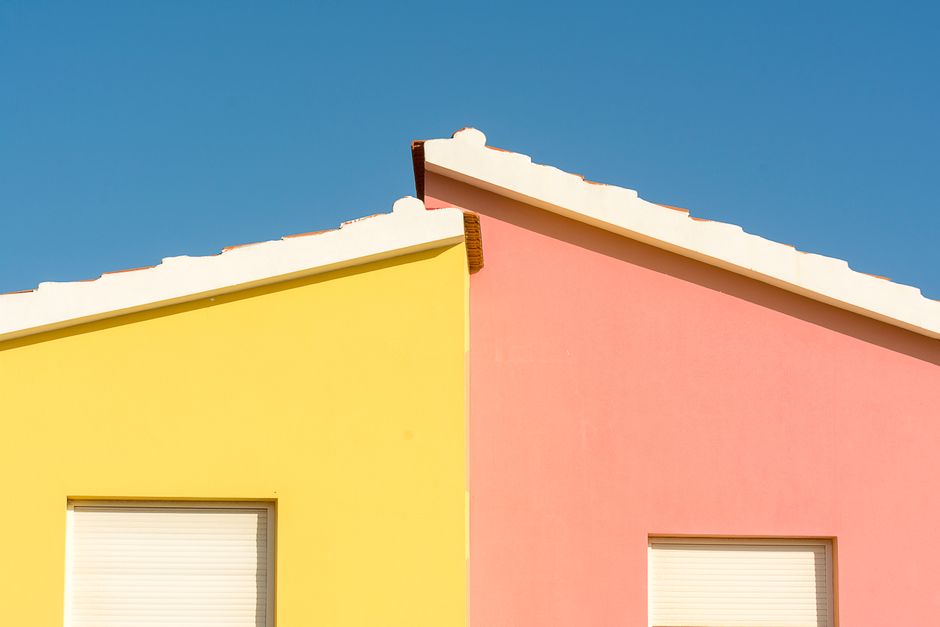
Nothing on a paper chip tells the truth about a full wall, so colour approval at a Riverside house (the way riverside house painters culture connect inc describes it) means a patch of real paint on the real wall in Riverside, CA before anyone buys ten gallons.
Test patches on the actual wall
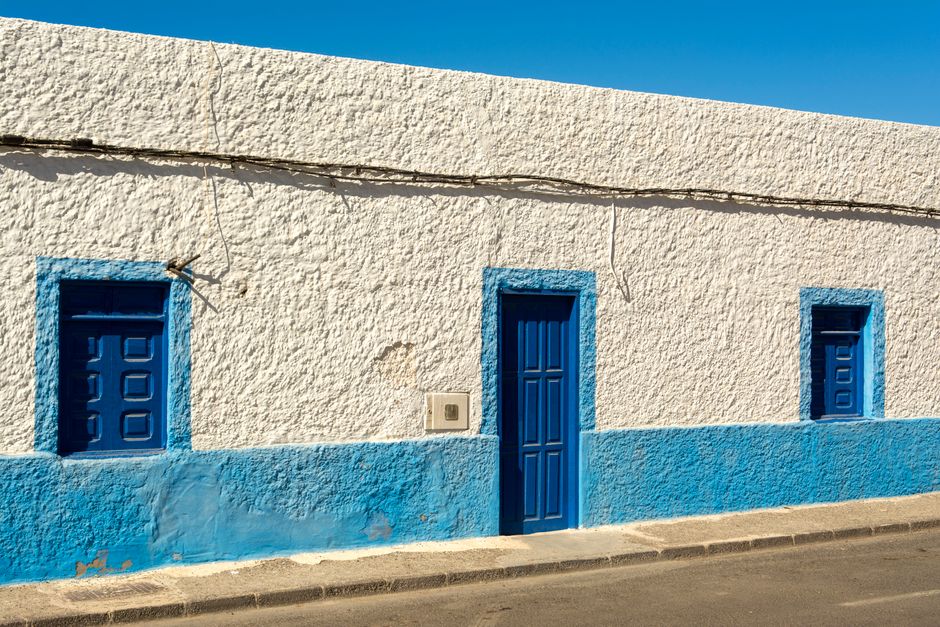
A patch should be at least two feet square, painted with two coats, and placed on each elevation that gets different light. The north wall and the west wall can look like two different colours from the same can. Put one patch on stucco and one on trim, because texture changes how a colour reads. Leave the patches up for a few days.
Bright inland sun and shade
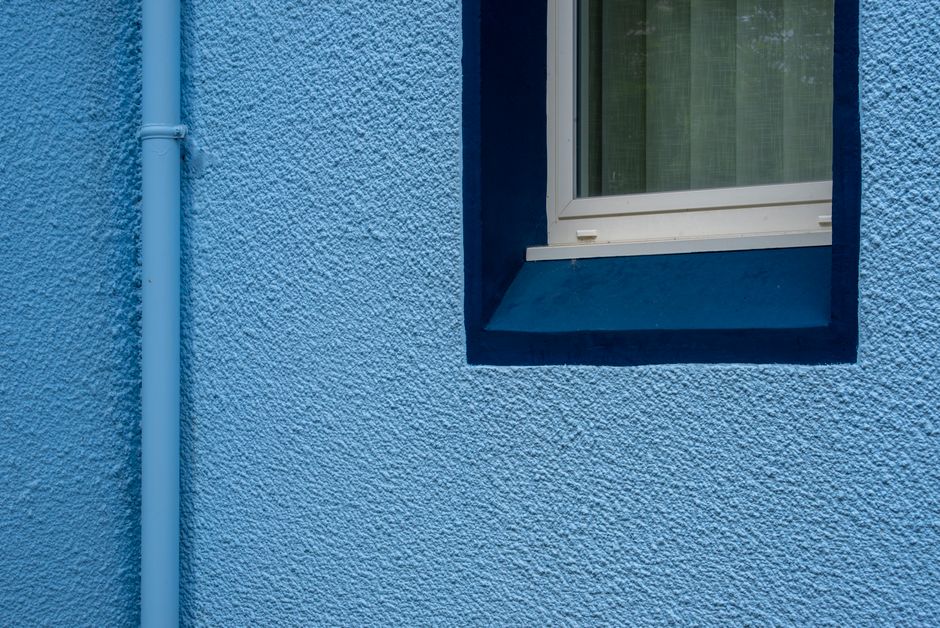
Riverside sun is strong, and a colour that looks calm at nine in the morning can look washed out or hot by three in the afternoon. Check each patch at morning, noon and late afternoon, and again on an overcast day. Light colours bleach lighter in direct sun, and deep colours show chalking sooner on south and west walls, so approval should account for how the wall will age, not only how it looks the day it dries.
Sheen changes colour
A flat finish hides stucco imperfections and reads softer. Eggshell and satin show more depth and clean easier, and semi gloss belongs on trim and doors. The same colour in two sheens can look like two different shades, so the patch should be in the sheen that will go on the house. A written scope should name the sheen next to each surface.
Neighbours, roof and landscaping
The colour has to sit well with the roof, the masonry and the plants. Homes near the Mission Inn and the older streets downtown often carry Spanish revival details, where warm creams and earth tones sit naturally against tile. Newer tracts have more freedom, though some have HOA colour lists that need approval before ordering. Walk to the street and look back at the patches from there.
Sign off in writing
Once the colour is chosen, the scope should record the colour name, the manufacturer code, the sheen and the surfaces it covers. Mixed batches can vary slightly, so a crew should box all the cans of one colour together before starting. Approval on the wall, written on the scope, and leftover paint labelled with its colour name at the end of the job closes the loop for touch-ups later.